
Languages are the living legacies of human culture and civilisation: Prof. T.M. Vasudevan
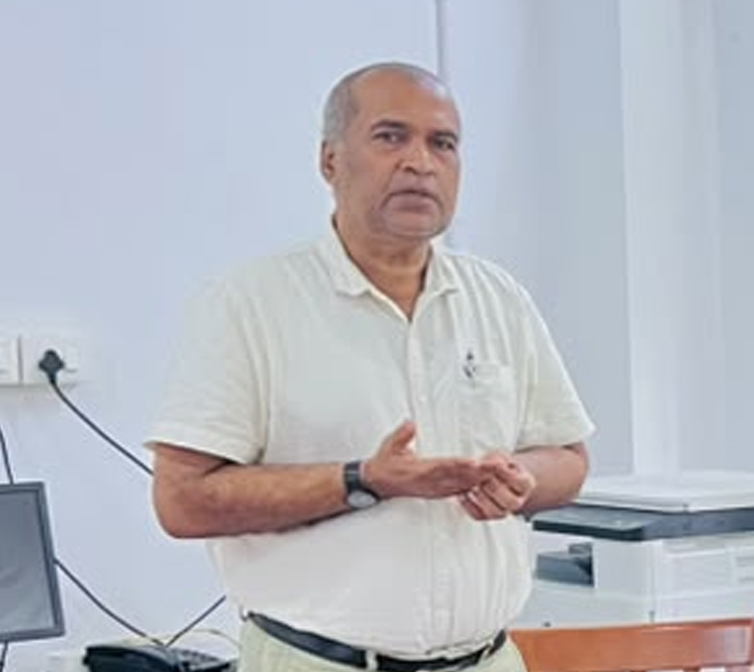
Malappuram: Languages are not merely tools of communication but enduring legacies of human culture and civilization, and every sincere effort to simplify language learning and promote its practical use in everyday life deserves appreciation, observed Prof. T.M. Vasudevan, chairman of the syndicate standing committee on courses and research, University of Calicut.
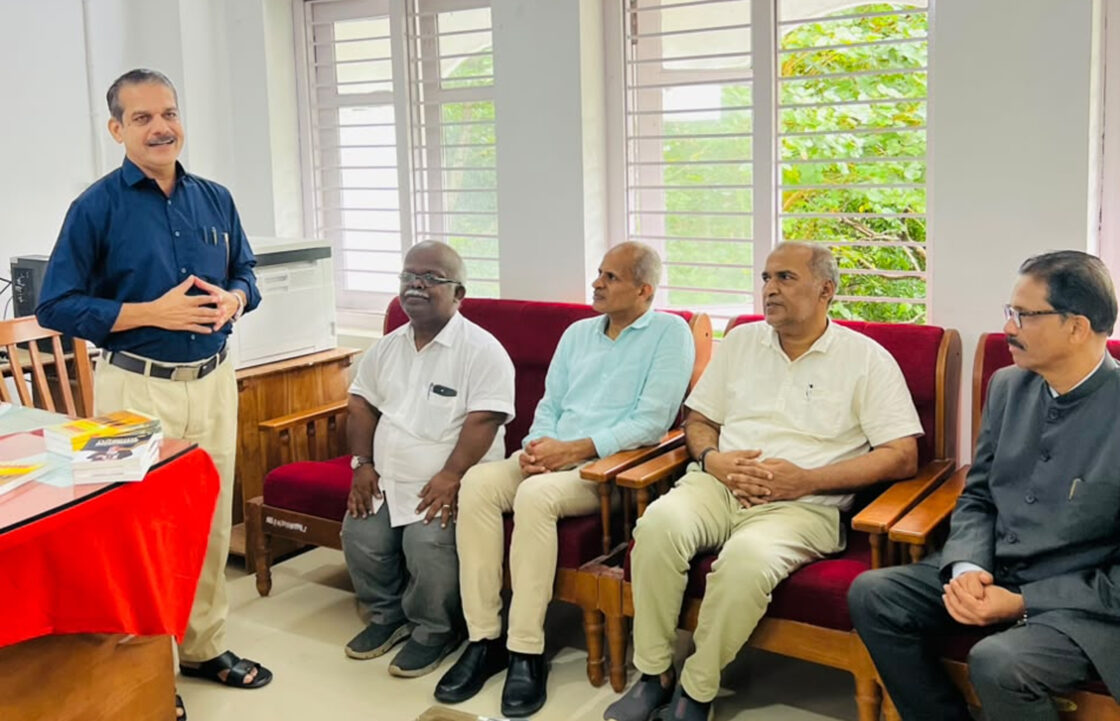
He was speaking after releasing “Spoken Arabic for Every Day,” a practical guide to communicative Arabic authored by Amanulla Vadakkangara, a research scholar in the Department of Arabic, University of Calicut. The function was held at the Department of Arabic, University of Calicut, in the presence of faculty members, university officials, students, and invited guests.
Releasing the book, Prof. Vasudevan noted that Arabic is one of the world’s most influential languages, with a rich literary, cultural, and intellectual heritage spanning centuries. He remarked that the language possesses several distinctive linguistic characteristics that make learning it both challenging and rewarding. He expressed confidence that Spoken Arabic for Every Day would bridge the gap between classroom learning and practical communication by presenting Arabic in a simple, learner-friendly format. He congratulated the author for producing a resource that would benefit students, professionals, travelers, and all those interested in acquiring conversational Arabic.
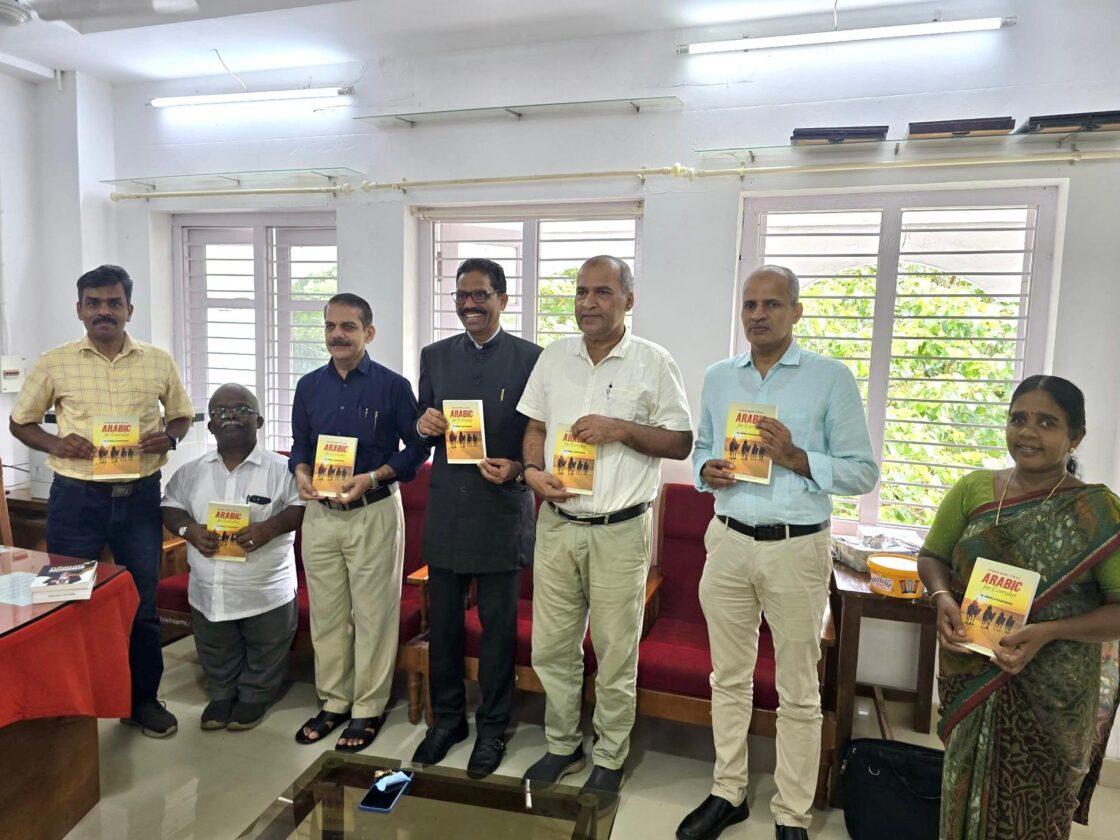
The first copy of the book was received by Prof. T.A. Abdul Majeed, Head of the Department of Arabic, University of Calicut. Addressing the gathering, he described the publication as a proud milestone for the department.
“It is a matter of immense pride that a research scholar of our department has authored a book on communicative Arabic that focuses on the practical dimensions of language learning. Such initiatives enrich the department’s academic contributions and encourage research scholars to produce learning resources that benefit society beyond the university campus,” he said.
Prof. Abdul Majeed further observed that while Arabic has traditionally been taught through grammar and literature, there is an increasing need for communicative learning materials that enable learners to use the language confidently in real-life situations. He commended the author for addressing this important need through the publication.
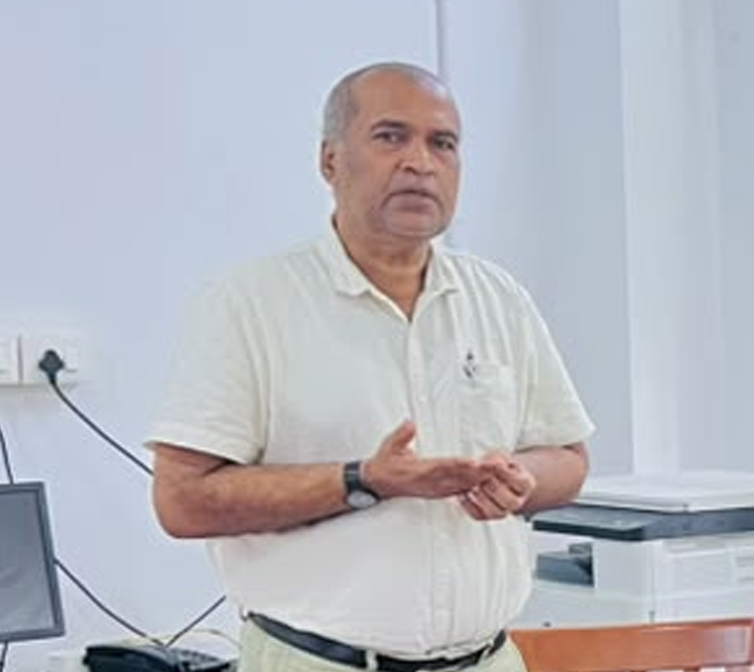
Anwar V., former Finance Officer of the University of Calicut, lauded Amanulla Vadakkangara’s dedication to promoting Arabic language education. He noted that books focusing on spoken and functional Arabic would play a significant role in expanding the language’s accessibility among students and professionals. Expressing his appreciation, he hoped that the publication would inspire more scholars to contribute to Arabic language pedagogy and strengthen the study of Arabic language and literature.
Speaking on behalf of the publisher, Mujeeburahman Koormoth, managing director of Edumartplus, described it as a privilege to publish the book. He revealed that Spoken Arabic for Every Day has already gained academic recognition and has been prescribed by several universities in India and abroad for their communicative Arabic programs.
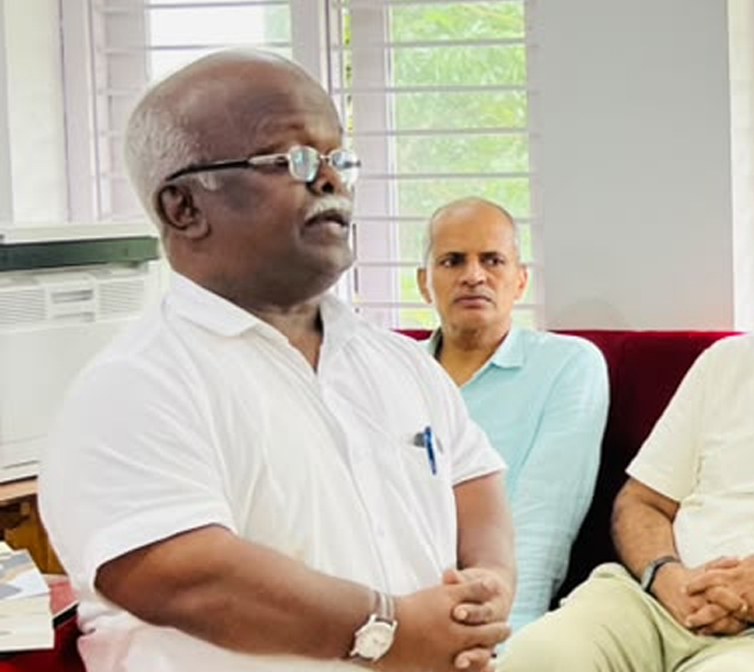
“This recognition reflects the quality, relevance, and academic value of the work. The book has been carefully designed to meet the needs of contemporary learners who seek practical proficiency in Arabic,” he said.
The author, Amanulla Vadakkangara, expressed his gratitude to his teachers, colleagues, and the publisher for their encouragement throughout the project. He explained that the primary objective of the book is to make spoken Arabic simple, accessible, and useful for learners from diverse backgrounds. Drawing upon his research experience and interactions with students, he said the book emphasizes everyday conversations, practical vocabulary, and real-life communication rather than purely theoretical instruction.
He hoped that the publication would serve as a valuable companion for students of Arabic, job seekers aspiring to work in Arab countries, travelers, educators, and anyone interested in developing conversational proficiency in the language.
Also addressing the gathering were Abdul Shukkur, Superintendent of the Department of Arabic, and Jithin, Administrative Assistant of the department. Both congratulated the author and appreciated the collaborative efforts that led to the publication of the book.